Courses
Course library.

Learning unit
Introduction to Mental Health, Psychology, and Human Behaviour
Before we study anxiety, trauma, or behaviour change, we need a shared understanding of what mental health actually is, what psychology studies, and how the two connect to everyday life. This unit sets out that foundation: definitions worth trusting, the language and landscape of the field, and the habits of mind that will carry you through the rest of the course.
Learning unit
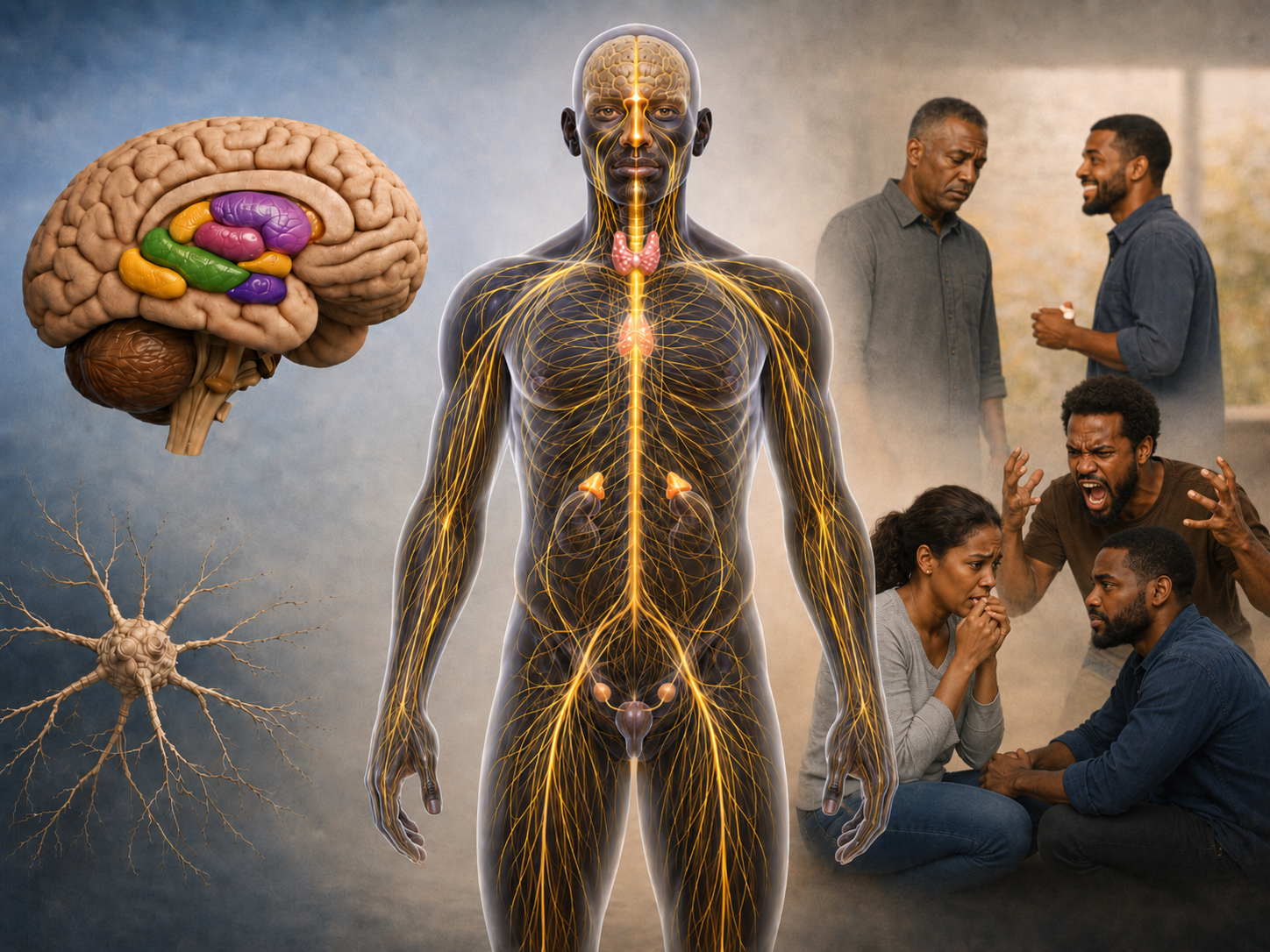
Foundations of the Brain, Body, and Behaviour
Unit 1 introduced the biological factor as one strand of the biopsychosocial model, without going into detail. This unit fills that gap. It grounds mental health in the body itself: the nervous system, the brain, hormones, sleep, genetics, and physical health, giving you enough working biology to understand why the body is never a side issue in mental health, but part of the main story.

Learning unit
Human Development Across the Lifespan
Mental health does not appear from nowhere in adulthood. It is shaped, from infancy onward, by how a person develops physically, emotionally, and socially at each stage of life. This unit traces that development across the lifespan, from early attachment through to older age, and introduces the ideas of sensitive periods, attachment styles, and resilience that will reappear throughout the rest of this course.
Learning unit
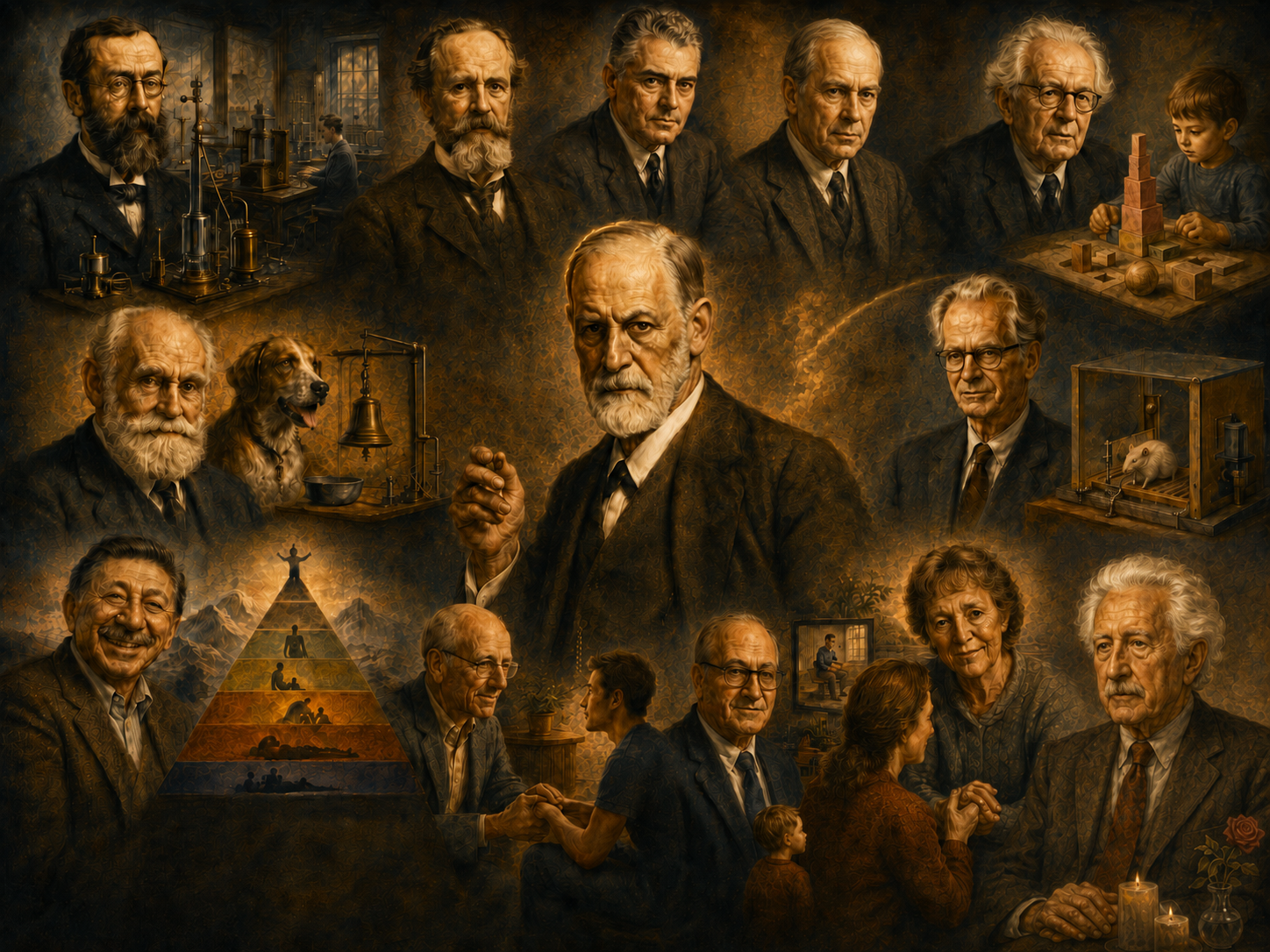
Psychological Theories and Schools of Thought
Unit 1 introduced psychology briefly, and Units 2 and 3 grounded mental health in biology and development. This unit returns to psychology properly, examining the major schools of thought that have shaped how the field explains behaviour. Each perspective offers a genuinely useful lens, and each has real limits. Understanding both is what allows a practitioner, or simply a thoughtful person, to use theory well rather than treating any single school as the whole truth.

Learning unit
Understanding Mental Health Conditions and Psychopathology
This unit introduces the major categories of mental health conditions covered in most foundational training: mood disorders, anxiety, trauma-related conditions, obsessive-compulsive and related conditions, psychotic disorders, personality patterns, neurodevelopmental conditions, and substance use. The aim is genuine literacy, recognising patterns, understanding what distinguishes a disorder from ordinary difficulty, and knowing enough to support someone well and refer appropriately, not to diagnose. Diagnosis remains the role of a qualified professional, as established in Unit 1. *A note before you begin: this unit discusses mental health conditions in factual, educational terms. If any of this material feels personally close rather than simply informative, that is worth taking seriously. Unit 1, Lesson 1.9 covers how and when to seek support, and it is worth revisiting if this unit raises something for you personally.*

Learning unit
Observation, Assessment, and Case Understanding
Understanding mental health conceptually, as the previous five units have built toward, is different from being able to notice what is actually happening in front of you and make sense of it responsibly. This unit covers the practical skills of observation, structured and unstructured assessment, risk recognition, and case formulation, the bridge between everything learned so far and the supportive action covered in later units. *A note before you begin: Lesson 6.5 in this unit covers recognising and responding to suicide and self-harm risk. It is written to inform and to help you respond well to someone else. If it raises anything difficult for you personally, please see the note in Lesson 6.5 itself.*

Learning unit
Therapeutic Approaches and Supportive Helping Skills
Unit 6 built the skills of noticing, asking, and understanding. This unit turns to what comes next: how support is actually offered. It covers core helping principles, the major therapeutic approaches that grew out of the theoretical perspectives in Unit 4, and, just as importantly, the limits of helping and when the right response is to step back and refer someone on.

Learning unit
Relationships, Family, Culture, and Social Systems
The social strand of the biopsychosocial model has been referenced throughout this course without being explored in full. This unit gives it proper attention: family systems, friendship, culture, faith, community and poverty, work, digital life, and discrimination, closing with what actually makes a community genuinely supportive of mental health rather than merely tolerant of it.

Learning unit
Ethics, Professional Boundaries, and Mental Health Practice
Every skill this course has built, observation, assessment, therapeutic technique, cultural sensitivity, depends on being exercised responsibly. This unit makes that responsibility explicit: confidentiality and its limits, informed consent, professional boundaries, power and trust, respectful practice, cultural humility, personal bias, duty of care, and the sustainability of the helper themselves. This is the unit that turns capability into trustworthy practice.
Learning unit
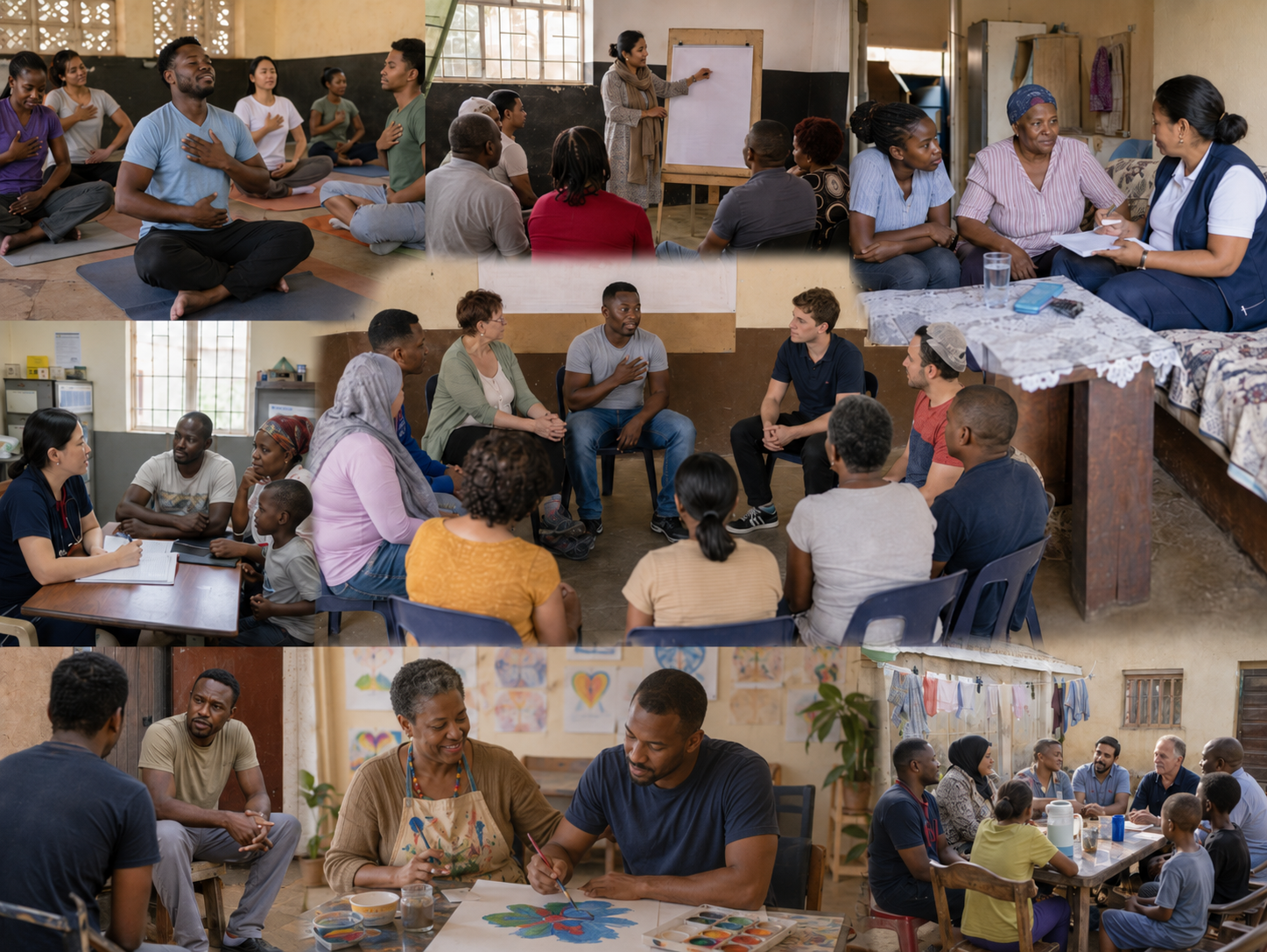
Recovery, Wellbeing, Prevention, and Community Care
This unit shifts focus from understanding and responding to difficulty toward what comes after, and what can come before it. It covers what recovery genuinely means, how everyday wellbeing is built and sustained, how prevention works at both individual and community levels, and how to stay involved, hopefully and realistically, for the long term, whether supporting yourself or someone you care about.
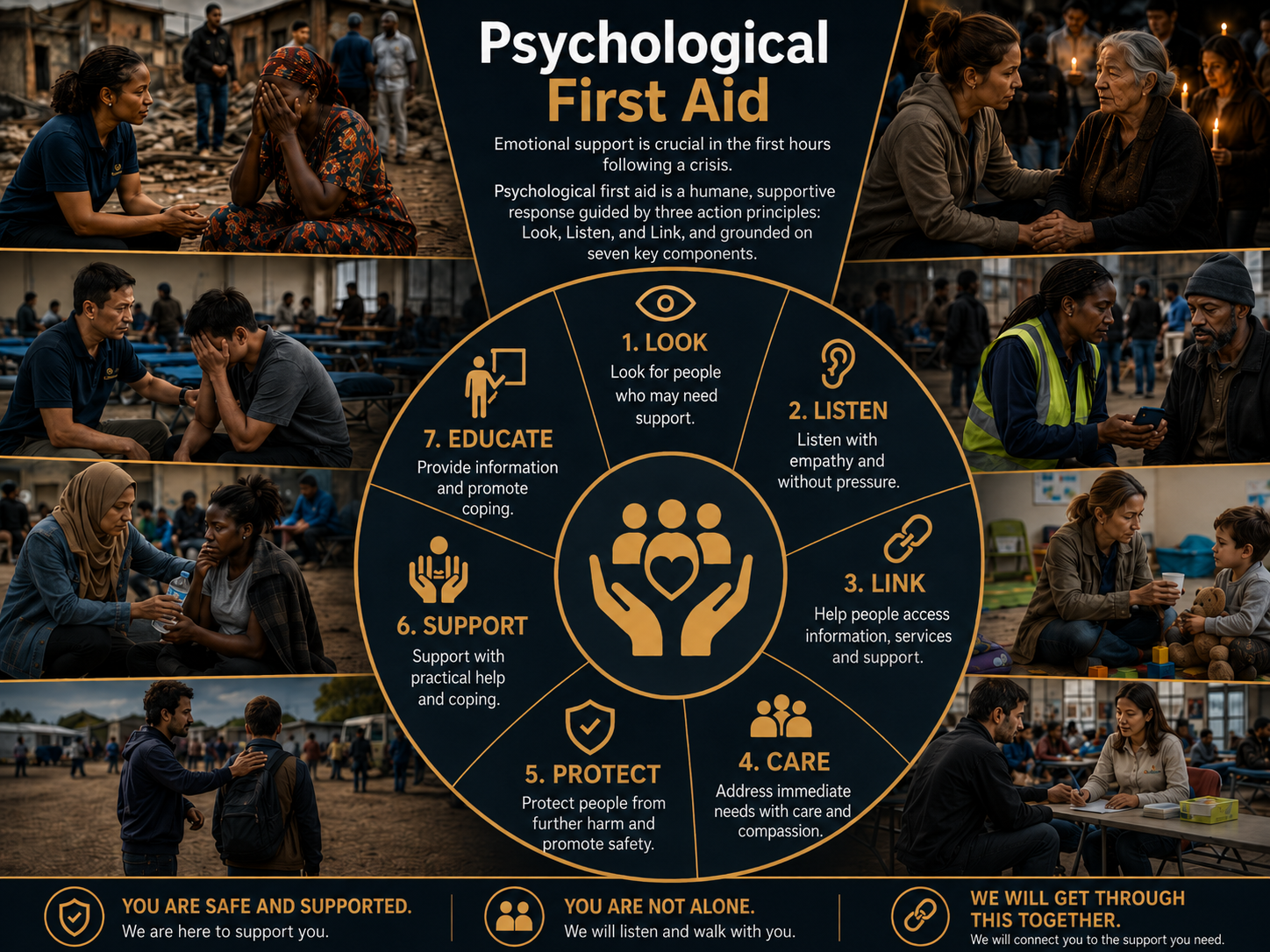
Learning unit
Psychological First Aid
This unit teaches Psychological First Aid, a structured, evidence-informed approach to supporting someone in the immediate aftermath of a crisis, disaster, or acutely distressing event. It draws directly on the observation, assessment, risk recognition, and helping skills built across this entire course, and applies them to the specific, time-limited window where the right response in the first hours or days can genuinely shape someone's longer-term recovery. *This unit discusses crisis, distress, and trauma directly and practically. If any of this material feels personally close, please see the note in Lesson 11.9 and the support guidance in Lesson 1.9.*

Final assessment
Final Assessment
Comprehensive final examination across units 1 to 11.